

Stress Relief drip Gallery
$$MultiPurposeText$$
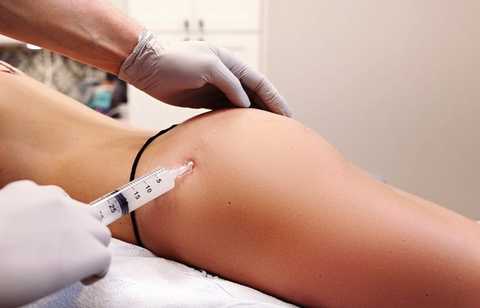
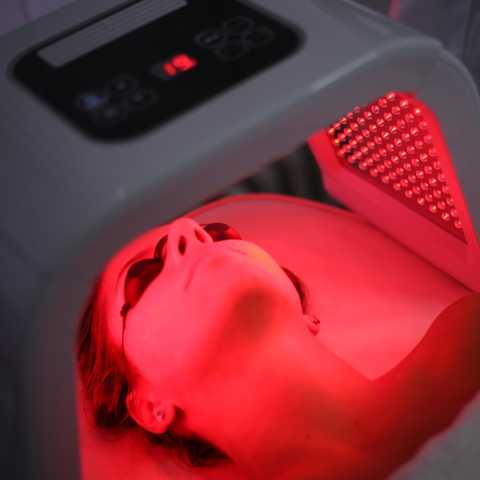
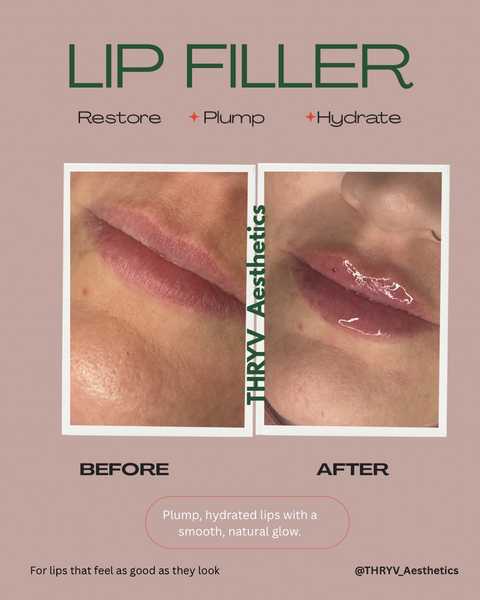
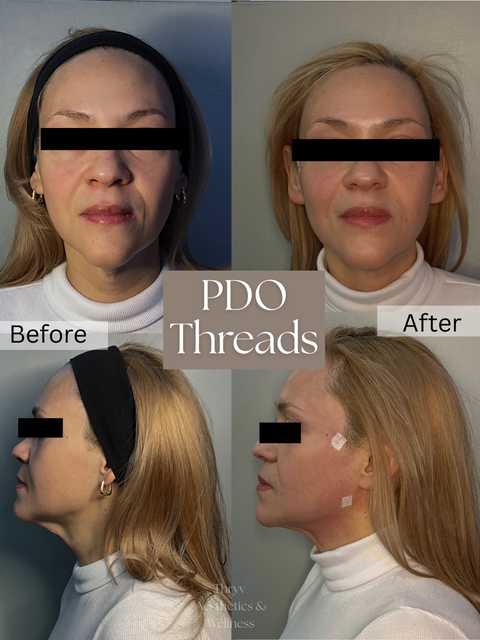
See examples of our Stress Relief drip work and results.





What Our Clients Say
$$MultiPurposeText$$
Read testimonials from our satisfied customers

Lovely staff and calm atmosphere. The IV quality was really excellent.

...more
Frequently Asked Questions
Get answers to common questions about Stress Relief drip.
Many clients notice muscle relaxation and a calmer mood within a few hours; sleep improvements often occur the same night. Individual response varies based on stress levels, nutrition, and overall health. Full benefits may become more apparent after multiple sessions.
A typical Stress Relief drip session lasts 45–60 minutes including IV placement, infusion, and brief monitoring. First visits may take slightly longer for medical review and consent. Providers ensure comfort and observe for any immediate reactions before discharge.
Side effects are usually mild and short-lived: bruising at the IV site, lightheadedness, nausea, or temporary flushing. Severe allergic reactions are rare. We screen your health history and medications to minimize risks and monitor you during the infusion.
Ideal candidates include adults experiencing acute stress, anxiety, muscle tension, or chronic exhaustion who seek non-pharmacologic support. Not suitable for certain kidney conditions or magnesium sensitivity. A medical consultation determines safety, contraindications, and personalized dosing.
Frequency depends on symptoms and goals; many start with weekly or biweekly sessions for three to four treatments, then shift to monthly maintenance. Your provider will recommend a schedule based on response, labs, and any necessary nutrient monitoring.
Yes — the Stress Relief drip can often be combined with other IV therapies like hydration, vitamins, or anti-inflammatories. Combinations are tailored medically to avoid interactions and electrolyte imbalance; discuss current medications and medical history before combining treatments.