

Iron Infusion Therapy Gallery
$$MultiPurposeText$$
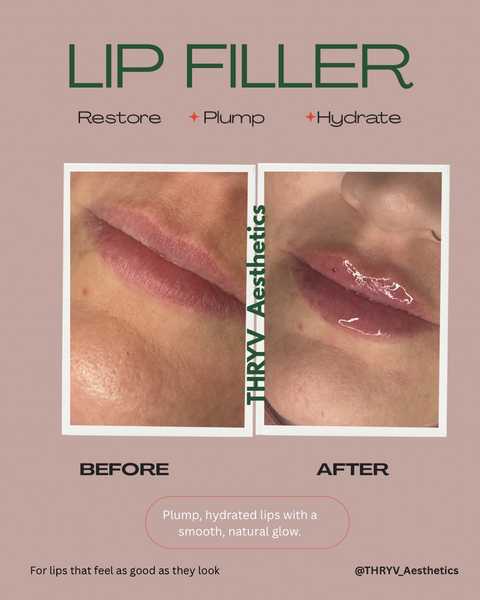
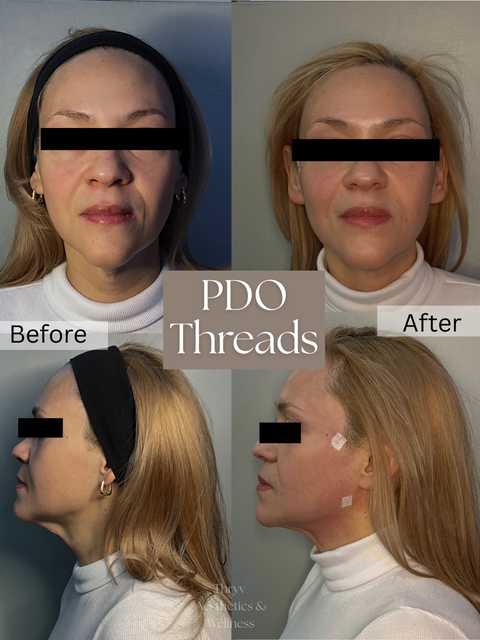
See examples of our Iron Infusion Therapy work and results.








What Our Clients Say
$$MultiPurposeText$$
Read testimonials from our satisfied customers

Lovely staff and calm atmosphere. The IV quality was really excellent.

...more
Frequently Asked Questions
Get answers to common questions about Iron Infusion Therapy.
Individuals with diagnosed iron deficiency, chronic anemia, heavy menstrual losses, poor oral iron tolerance, or persistent fatigue despite supplements may benefit. A medical evaluation including blood tests determines suitability and personalized dosing under clinician supervision to restore iron stores safely.
Most sessions last between 30 minutes and two hours depending on dose and formulation. Initial consultations, monitoring, and pre-infusion labs may extend visit time. Patients can relax in a monitored clinical setting while our staff ensures safe slow infusion and observation.
Mild side effects like headache, nausea, dizziness, or injection-site discomfort can occur. Serious allergic reactions are rare; staff monitor patients closely during and after infusion. Pre-screening and slow administration minimize risks; emergency protocols and medications are available if needed.
Many patients report increased energy and reduced fatigue within days; measurable rises in ferritin and hemoglobin often appear within one to four weeks. Individual responses vary based on baseline deficiency, overall health, and whether follow-up doses are required.
Infusions rapidly restore iron stores when oral supplements fail or cause intolerance. They may be part of broader long-term plans, but maintenance often requires dietary changes, oral supplementation, or repeat infusions based on lab monitoring and treating underlying causes.
Yes. Pre-infusion blood tests like CBC and ferritin assess deficiency severity and guide dosing. Results determine candidacy, rule out other causes, and allow safe, individualized treatment planning. Repeat labs help track progress and decide on additional infusions.